Blog · 24 November 2026
How many calories do I need to lose weight? The simple maths
Work out your daily calories for weight loss step by step, how much protein you need, and a full day of real meals with their numbers.
Losing weight isn't magic or misery. You eat slightly fewer calories than your body burns, consistently, with enough protein to protect muscle and keep you full.
Step 1: estimate what you burn
A simple estimate: multiply your weight in kg by 22 (women) or 24 (men), then by your activity factor:
- Mostly sitting (desk job): 1.3
- Training 3 times a week: 1.5
- Training 5+ times a week: 1.7
Example: an 85 kg man training 3 times a week: 85 × 24 × 1.5 = about 3,060 calories a day.
Step 2: subtract 400–500 calories
That deficit loses roughly half a kilo a week, a pace you can keep up. In the example: 3,060 − 500 = about 2,550 calories a day.
Don't cut much harder. A big deficit leaves you hungry and irritable, costs muscle as well as fat, and usually ends with the weight coming back.
Step 3: protein is the number that matters most
Aim for 1.6–2 g of protein per kg of body weight. For the example: 85 × 1.8 = about 150 g of protein a day. Protein keeps you fuller than anything else and protects muscle while you lose fat.
A sample day (about 2,000 calories, 160 g protein)
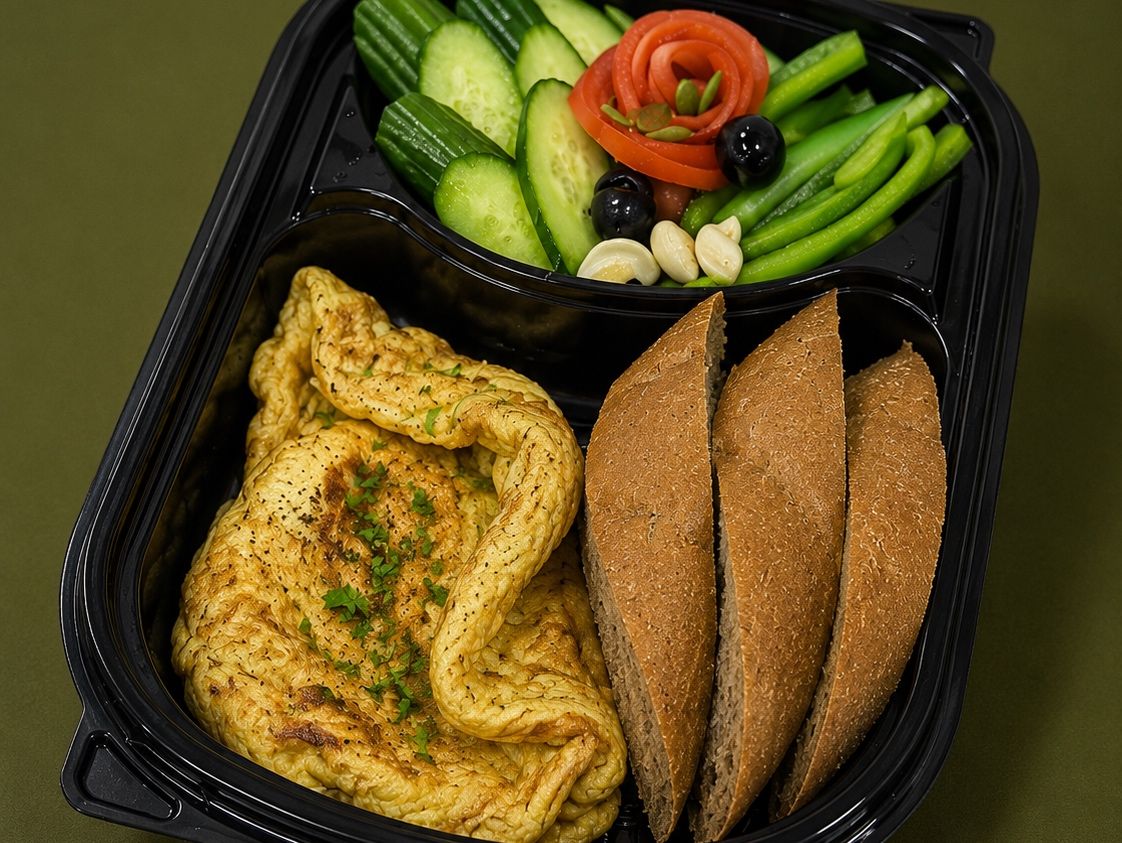
- Breakfast: Fit Fat Omelette: 465 kcal, 38 g protein
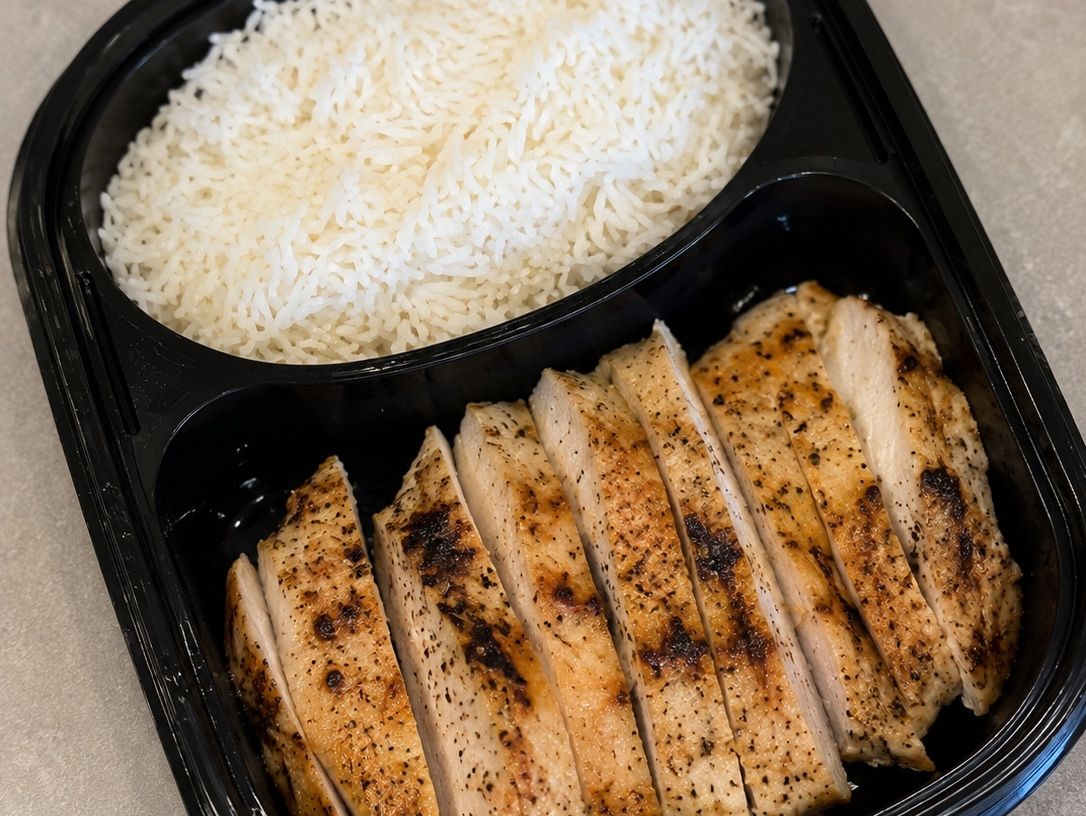
- Lunch: 150g Grilled Chicken with Rice: 465 kcal, 51 g protein
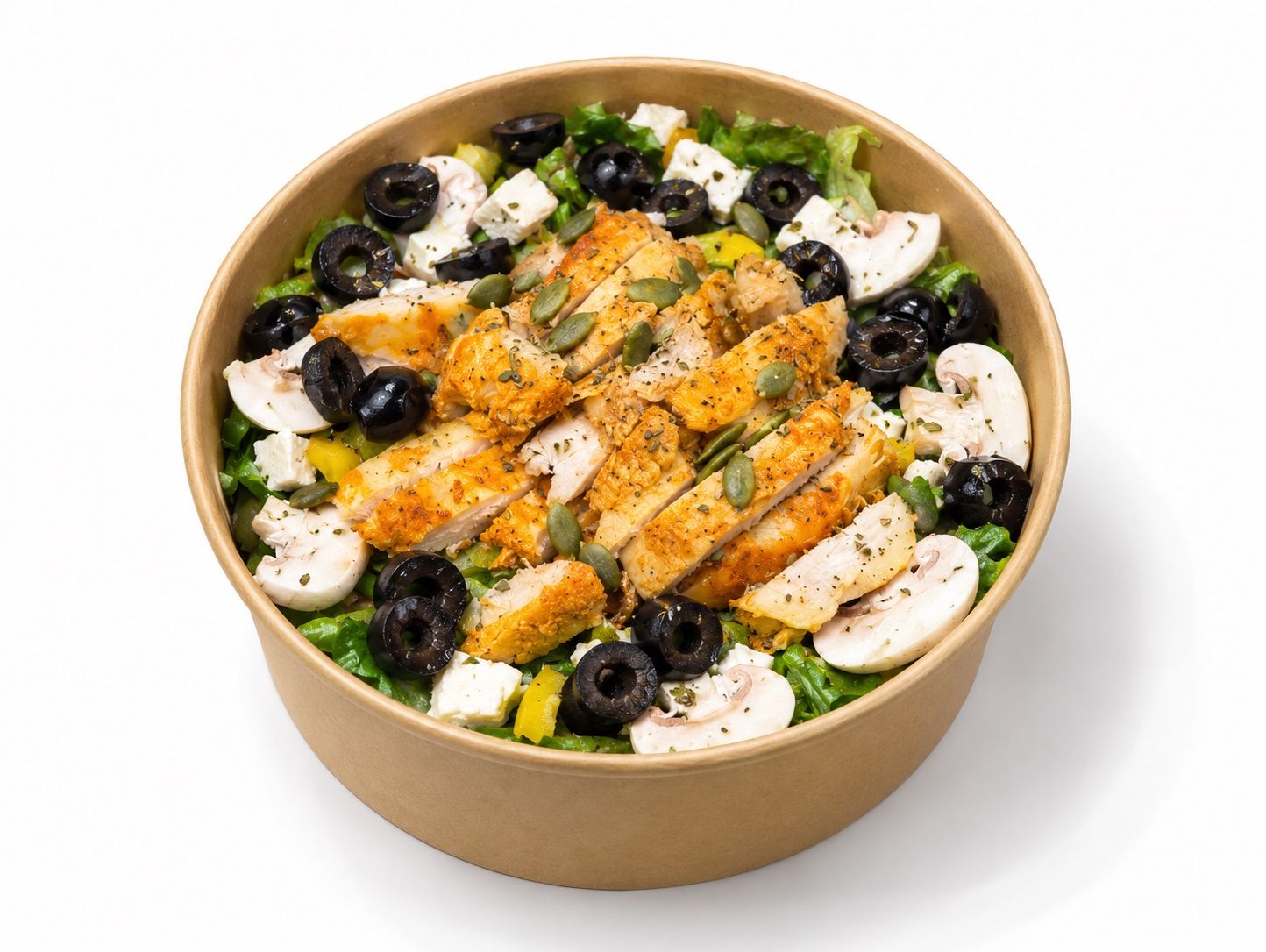
- Dinner: Healthy Grilled Chicken Salad 150g: 440 kcal, 48 g protein
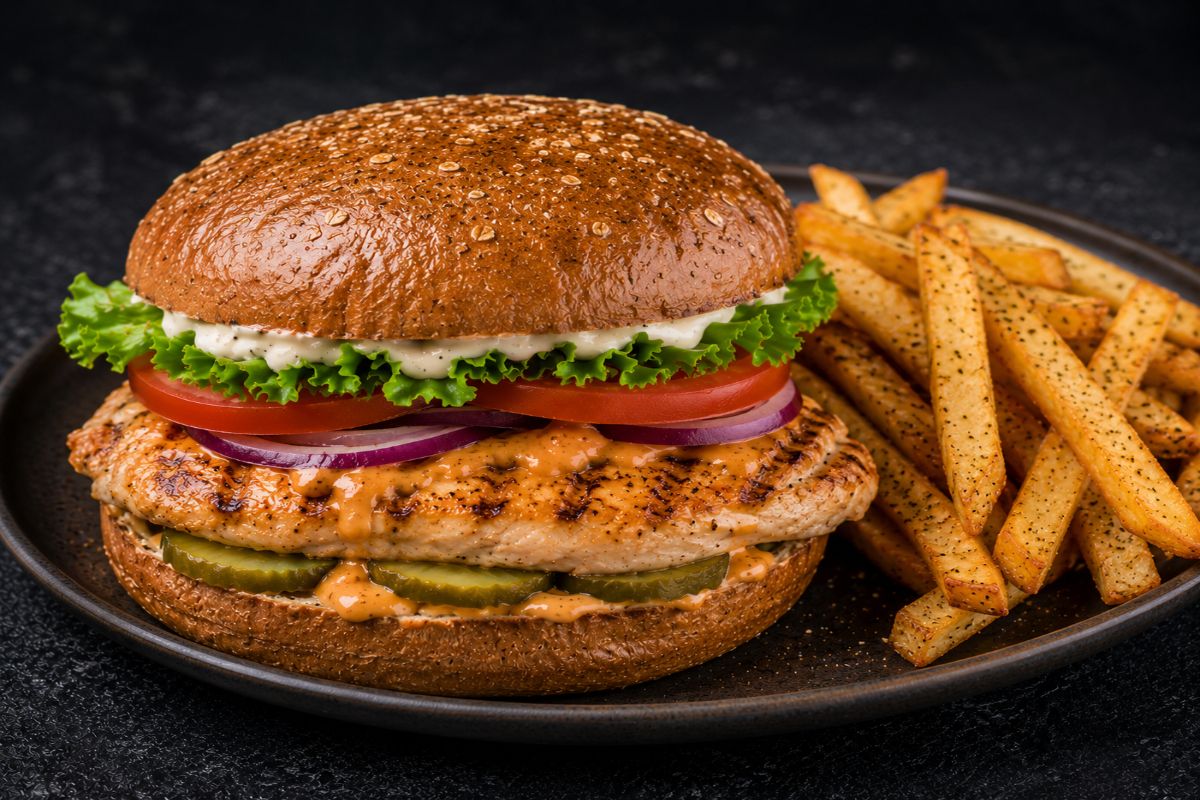
- Snack or fourth meal to hit your number: Fit Fat Chicken Breast Burger: 490 kcal, 46 g protein
Notice the burger? That's the point. When food is tasty and the numbers are known, you stick with it.
Why most people fail
Not because they don't know the maths, but because they don't know what they're actually eating. A takeaway sandwich can be 500 calories or 1,200, and nobody tells you. That's why every meal on the FitFat menu shows its numbers.
In short
- Estimate your burn and subtract 400–500 calories.
- Eat 1.6–2 g of protein per kg.
- Weigh yourself once a week at the same time; adjust if nothing moves in two weeks.
- If you have a medical condition or are pregnant, check with your doctor or a dietitian first.
Want your meals ready, counted and delivered? See FitFat plans.